Washoe County commissioners accepted a $3.75 million sponsorship from Google to install solar panels, battery backup systems and energy-efficiency upgrades at county buildings, including two in Sparks.
The Board of County Commissioners approved the sponsorship agreement at its Tuesday, Nov. 17, meeting, according to a county meeting recap.
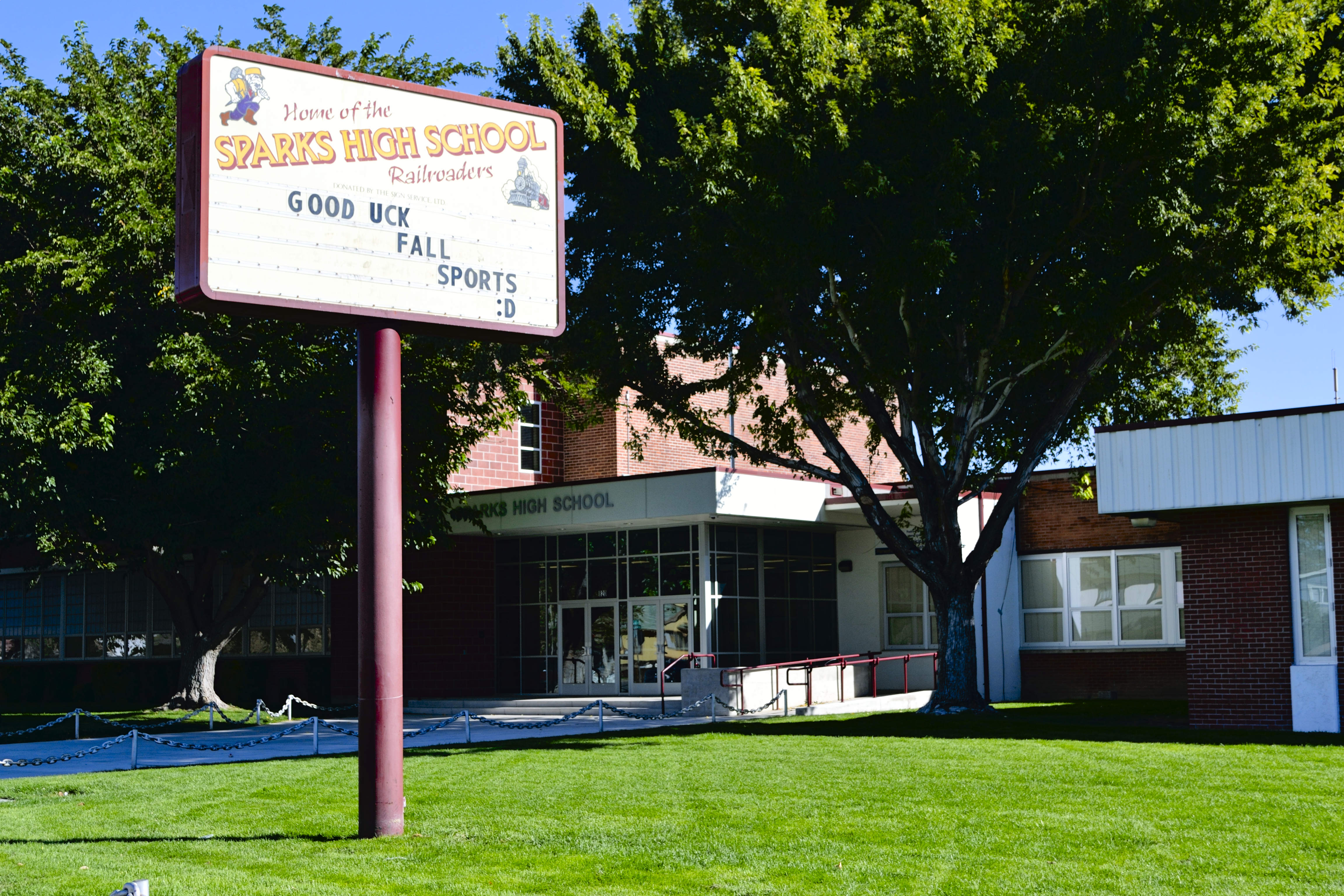
The Sparks Senior Center and Sparks Library are among eight proposed sites for the Washoe Solar Project. Other locations include the Washoe County Administration Complex Building A and the county Senior Center, the Emergency Operations Center, the Gerlach Community Center and Fire Department, the Public Administrator's office, Nevada Cares Campus and a lighting control system at Downtown Courts.
The project is estimated to cost nearly $4.5 million. The county plans to request the remaining approximately $707,700 through the fiscal year 2028 budget cycle, according to the county.
An Inflation Reduction Act tax credit could provide Washoe County with just over $1.2 million in rebates if construction is completed by the end of calendar year 2027, before the credit expires.
“We appreciate Google’s sponsorship of these projects,” Washoe County Sustainability Manager Brian Beffort said. “This investment will bring numerous benefits to the people of Washoe County: lower energy costs, cleaner air, support for renewable-energy jobs, and greater resilience for both our grid and our important community services.”
Board strengthens code enforcement rules
Commissioners also voted to amend county code to strengthen enforcement tools and encourage compliance in long-running and recurring cases involving recreational vehicles, junk vehicles and other common complaints.
The amendments clarify that occupying an RV for more than 30 days is a nuisance. The county said RVs are registered vehicles, not permanent dwellings, and the changes clarify that using an RV as a permanent dwelling is illegal.
The changes also eliminate the 50% discount for paying fines after the third penalty notice and expand the definition of “public view” to include public access easements and publicly maintained trails.
The amendments remove language referring to a reduction in economic value due to blight. The county said potential reductions in property value cannot be determined in a code-enforcement proceeding and are not a standard for determining whether a violation has occurred.
“I want to thank our county staff in their efforts to strengthen our Code Enforcement,” Vice Chair Mariluz Garcia said. “This is something that has been a huge priority for this commission, something that's very near and dear to my heart over the past four years.”
The meeting agenda also included a separate proposal to increase code-enforcement fines to match those used by Reno and Sparks. The proposal called for a new fine tier upon issuance of a 10th penalty notice and listed a proposed effective date of Jan. 1, 2027. The meeting information available did not show the outcome of that separate item.
Animal-handling training requirement approved
The board also approved changes to county animal and fowl regulations to comply with Nevada Assembly Bill 418, passed in 2025.
The amendment requires owners and operators of kennels, animal rescue organizations that handle pets and commercial businesses engaged in handling pets to complete a training course on pet handling. The course must be renewed every two years.
The requirement does not apply to veterinarians or animal shelters, according to the county.
The board also declared November Homeless Youth Awareness Month and presented a proclamation to representatives of Eddy House, a Reno nonprofit that provides services to homeless and at-risk youth.
The board's next regular meeting is scheduled for Dec. 8.